
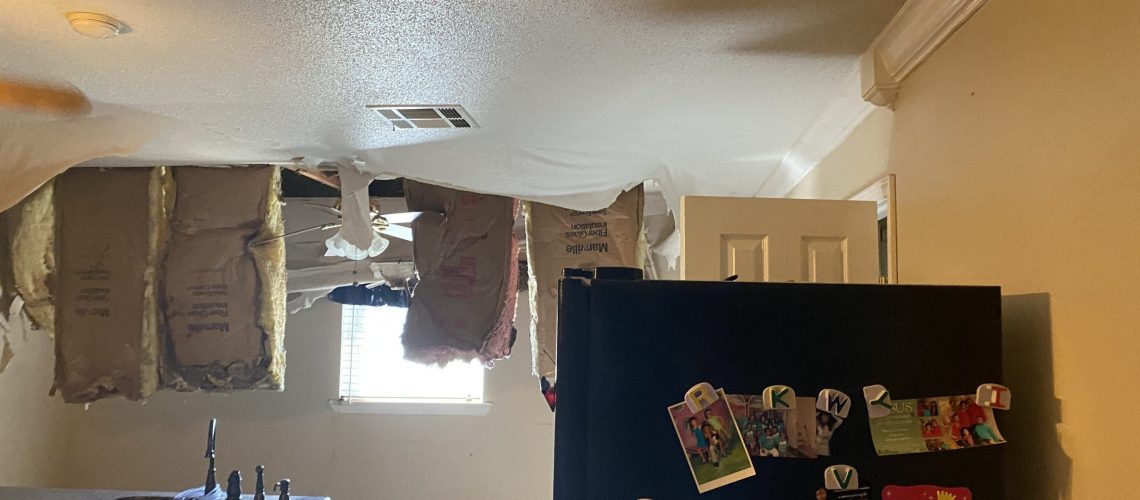
Every minute matters when there is water damage, whether a burst pipe, heavy rain, an appliance leak, or a plumbing malfunction causes it.
We frequently witness how little leaks escalate into significant repair projects in our work as restoration specialists in the Dallas–Fort Worth region. The financial impact of water damage is frequently underestimated by homeowners, who are unaware that the cost of repairs can rise dramatically even if they wait a few hours or days.
This guide explains why fast water damage restoration is the most economical choice, highlights the hidden costs that homeowners often overlook, and discusses why water damage costs can increase over time.
Key Takeaways
- Delaying water damage restoration can significantly increase total repair costs due to mold growth, structural deterioration, and the spread of hidden moisture.
- The cost of delaying water damage restoration often exceeds the cost of immediate repairs and cleanup.
- Water damage becomes more expensive over time as materials degrade and restoration efforts become more extensive.
- Understanding the water damage repair cost breakdown helps homeowners see why taking fast action is the best financial decision.
- Full Service Property Restoration offers 24/7 emergency water damage restoration in Texas, assisting homeowners to contain costs and minimize long-term damage.
Why the Cost of Delaying Water Damage Restoration Skyrockets?
Water is one of the most destructive elements inside a home. Once moisture enters building materials such as drywall, insulation, flooring, and wood, the deterioration process begins immediately.
Here’s how delaying water damage cleanup dramatically increases costs:
1. Structural Damage Becomes More Severe
When water sits untreated, it weakens the structural integrity of:
- Wall framing
- Subfloors
- Drywall
- Support beams
- Cabinets
- Flooring
This leads to higher structural repair costs and a more labor-intensive restoration process.
The longer the water sits, the more materials will need to be replaced.
A small repair that could have cost a few hundred dollars can quickly escalate into thousands when structural components require demolition and reconstruction.
2. Mold Growth Increases the Water Damage Restoration Cost
Mold begins to grow within 24 to 48 hours of water exposure. Once mold takes root:
- Containment setup is required
- Air scrubbers and HEPA filtration must be used
- Demolition often becomes necessary
- Professional mold remediation is required
This adds significant expenses to the original water damage repair cost.
Mold remediation is one of the biggest hidden costs of delayed action.
3. Hidden Water Damage Spreads Throughout the Home
Moisture moves quickly through:
- Walls
- Ceilings
- Subflooring
- Insulation
- HVAC systems
This leads to additional hidden water damage costs that homeowners don’t expect.
The more water spreads, the more areas require:
- Moisture detection
- Drying
- Sanitizing
- Repair
Delaying the project increases its size and cost.
4. Flooring and Drywall Become Unsalvageable
Many building materials can be saved if treated promptly. However, when homeowners delay, these materials often need to be removed.
Materials usually requiring replacement when delayed:
- Drywall
- Laminate flooring
- Hardwood floors
- Carpet padding
- Insulation
- Cabinets made of MDF or particle board
Replacement is significantly more expensive than drying and repairing.
5. Electrical & HVAC Issues Add to the Overall Repair Cost
Water damage can reach electrical wiring, outlets, and ductwork. When this happens, restoration costs increase due to:
- Electrical repairs
- Duct cleaning
- HVAC moisture removal
- Safety inspections
The longer water sits near electrical components, the more dangerous—and costly—the situation becomes.

6. Delayed Water Damage Cleanup Leads to Higher Labor Costs
Emergency water damage services often become more intensive when homeowners wait, requiring:
- Extended drying times
- Additional equipment
- Larger demolition areas
- More specialized technicians
This directly increases the water damage restoration pricing.
Real Cost Examples: Immediate Action vs. Delayed Restoration
When it comes to water damage, timing has a direct impact on the cost. The faster restoration begins, the less damage spreads—and the less you’ll pay in repairs.
To show how quickly expenses can escalate, here are real-world examples comparing the cost of taking immediate action versus waiting hours or days before addressing water damage.
These examples are based on typical water damage restoration in Texas:
Scenario 1: Immediate Response (0–12 hours)
- Water extraction
- Drying for 2–3 days
- Minor repairs
Estimated Cost: $500–$3,000
(Depending on room size and severity)
Scenario 2: Delayed Response (24–48 hours)
- Mold begins forming
- Additional demolition needed
- Longer drying period
Estimated Cost: $3,000–$8,000
Scenario 3: Severe Delay (3–7 days or more)
- Mold remediation
- Structural repairs
- Flooring replacement
- Cabinet replacement
- Full reconstruction
Estimated Cost: $10,000–$30,000+
Delaying almost always results in 10x higher costs.
Water Damage Repair Cost Breakdown
A typical restoration project includes several cost components:
1. Water Extraction
$300–$1,500 depending on volume.
2. Drying & Dehumidification
$800–$3,000 depending on equipment and time.
3. Mold Remediation (if delayed)
$1,500–$10,000+ depending on spread.
4. Structural Repairs
$1,000–$20,000+ if walls, floors, or framing are affected.
5. Material Replacement
Costs vary depending on the type of flooring, drywall, insulation, and cabinetry.
6. Reconstruction
Contractor services include painting, flooring installation, and baseboard installation.
By acting early, homeowners avoid many of these costs altogether.
Why Water Damage Becomes More Expensive Over Time
The short answer is that water spreads, materials deteriorate, bacteria grow, and mold multiplies. The longer the wait, the more costly it becomes to reverse the damage.
Here are the top reasons:
- Water doesn’t stay still—it travels.
- Materials lose structural integrity the longer they remain wet.
- Mold remediation adds substantial cost.
- Moisture trapped behind walls requires demolition.
- Insurance may deny claims for delayed reporting.
Fast action equals lower cost, less damage, and a shorter restoration timeline.
Frequently Asked Questions (FAQs)
How much does water damage restoration cost?
Water damage restoration cost varies depending on the amount of water, the materials affected, and how quickly restoration begins. Minor water damage requiring extraction and drying may cost $500–$3,000, while moderate damage involving multiple rooms may range from $3,000–$8,000. Severe water damage requiring mold remediation, structural repairs, and reconstruction can exceed $10,000–$30,000. Costs increase dramatically when homeowners delay calling a professional. Acting quickly helps minimize damage and lower overall repair expenses.
Why does delaying water damage restoration make it more expensive?
Delaying allows water to spread through walls, floors, insulation, and other porous materials. The longer moisture sits, the more materials must be removed and replaced rather than dried. Mold growth begins within 24–48 hours, adding significant mold remediation costs to the project. Structural components may weaken, requiring reconstruction and electrical or HVAC repairs. Essentially, water damage becomes more expensive because the damage becomes more severe, unsafe, and complex the longer it remains untreated.
What are the hidden costs of untreated water damage?
Hidden costs include mold remediation, structural repairs, electrical hazards, HVAC contamination, and replacement of flooring or drywall. Moisture trapped behind walls can cause rot, rust, and long-term instability. Homeowners may also face increased insurance premiums or claim denials if they wait too long to report the damage. Untreated water damage can decrease property value and lead to recurring moisture problems that require ongoing maintenance.
How long does it take for water damage to cause serious problems?
Within minutes, water begins soaking into building materials. Within 24 hours, drywall swells and wood frames absorb moisture. Within 24–48 hours, mold begins growing. After several days, structural deterioration accelerates, flooring warps, and odors develop. The longer water sits, the more extensive and costly the repairs become. This is why professional emergency water damage restoration is essential immediately after discovering water intrusion.
Is it cheaper to repair water damage immediately?
Yes. The cost of early water extraction and drying is significantly lower than the cost of full demolition, mold remediation, and reconstruction. By responding quickly, homeowners can save thousands in material replacement and labor costs. Immediate action helps preserve flooring, drywall, insulation, and structural components that would otherwise need replacement. Fast restoration also reduces health risks and prevents insurance complications.
Stop Water Damage Before It Gets Expensive — Call Full Service Property Restoration Today
If you’re dealing with water damage, don’t wait. The more prolonged the moisture sits, the more the water damage restoration cost increases—and the more extensive the repairs become.
Full Service Property Restoration provides:
- 24/7 emergency water damage restoration in Texas
- Fast water extraction and structural drying
- Mold prevention and cleanup
- Full repair and reconstruction
- Serving Dallas, Fort Worth, and the entire DFW area
Contact us today for immediate help, or visit our website to learn more about how we protect your home and your wallet.


