
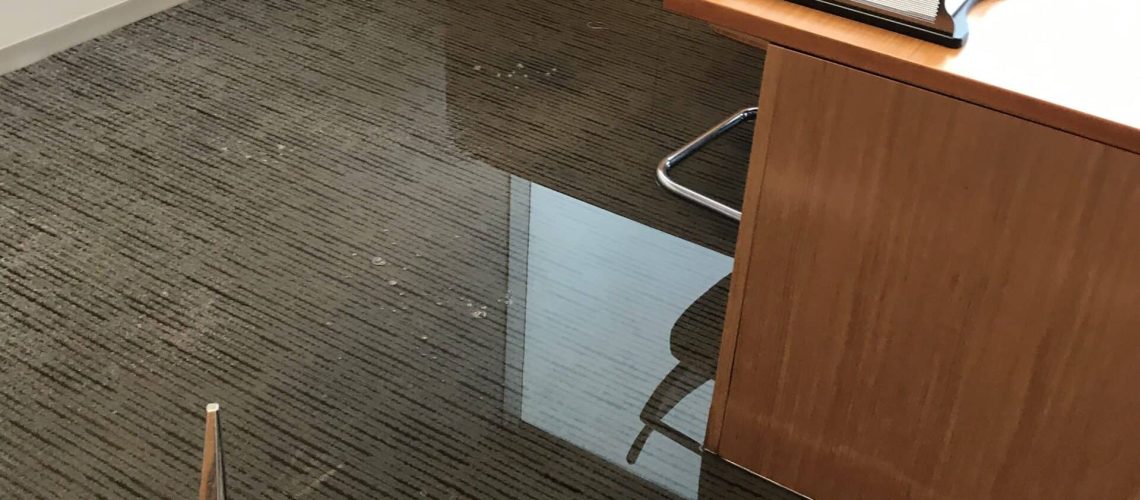
When water hits your floors, it doesn’t wait for a convenient time to become a bigger problem — and neither should you. If you’re dealing with a burst pipe, an overflowing appliance, or storm flooding, the single biggest factor in how much damage your home ends up with is how fast the water is removed. That’s what emergency water extraction is all about, and the first 24 hours after a loss determine almost everything that happens next.
In this guide, we’ll walk through exactly what happens during emergency water extraction hour by hour, what equipment our technicians use, whether you can handle it yourself, what it typically costs, and what to expect from your insurance. By the end, you’ll know exactly what to expect if you ever need to make that call.
Key Takeaways
- Emergency water extraction removes standing water fast to limit structural and mold damage.
- The first 24 hours are the most critical window — mold can begin forming in as little as 24–48 hours.
- Professional water extraction uses commercial-grade pumps, extractors, and moisture detection tools DIY equipment can’t match.
- Whether water extraction is covered by insurance depends on the source of the water and your policy.
- In Texas, fast response matters even more due to heat, humidity, and storm season conditions.
What Is Emergency Water Extraction?
Emergency water extraction is the immediate removal of standing water from a property after a flood, leak, or pipe burst emergency — typically within the first few hours of the loss. It’s the first and most urgent phase of the broader water damage restoration process, and it’s different from restoration itself in one key way: extraction is about removing water fast, while restoration covers everything that follows, including drying, repairs, and rebuilding.
Understanding water extraction vs water damage restoration helps set the right expectations. Extraction is measured in hours. Restoration can take days to weeks, depending on how much moisture made it into your walls, flooring, and belongings.
Water damage is also classified by contamination level — Category 1 (clean water, like a supply line break), Category 2 (gray water, such as from a washing machine or dishwasher), and Category 3 (black water, from sewage or flooding). The category affects how urgently extraction needs to happen and what safety precautions are required.
Why the First 24 Hours Matter Most
If you’ve ever wondered how fast should water be removed after flooding, the honest answer is: as fast as humanly possible. Water doesn’t stay in one place — it wicks sideways through subflooring, climbs up drywall, and seeps into insulation long after the surface looks dry.
This matters because mold growth 24-48 hours after a water event is genuinely possible under the right (or wrong) conditions. Once moisture sits for more than a day, especially in Texas heat and humidity, the risk of mold establishing itself climbs sharply — and once that happens, you’re no longer just dealing with water damage, you’re dealing with a mold remediation project as well.
Structural drying also becomes harder the longer moisture sits. Wet drywall and flooring can warp, swell, or delaminate within the first day or two, turning what could have been a simple dry-out into a materials-replacement job.
Need Emergency Water Extraction Right Now?
Hour-by-Hour: What Happens During Emergency Water Extraction
Here’s what to expect during a typical emergency water damage response, from the first phone call to the end of day one.
Hours 0–2: Assessment & Response
As soon as you call, our team dispatches a 24 hour water extraction crew to your property. On arrival, technicians assess the source of the water — whether it’s a sump pump failure, a pipe burst emergency, appliance overflow, or storm intrusion — and determine the water’s contamination category. This is also when moisture detection begins, using meters and thermal imaging to map exactly how far the water has traveled, including into areas that aren’t visibly wet yet.
Hours 2–6: Standing Water & Flood Water Removal
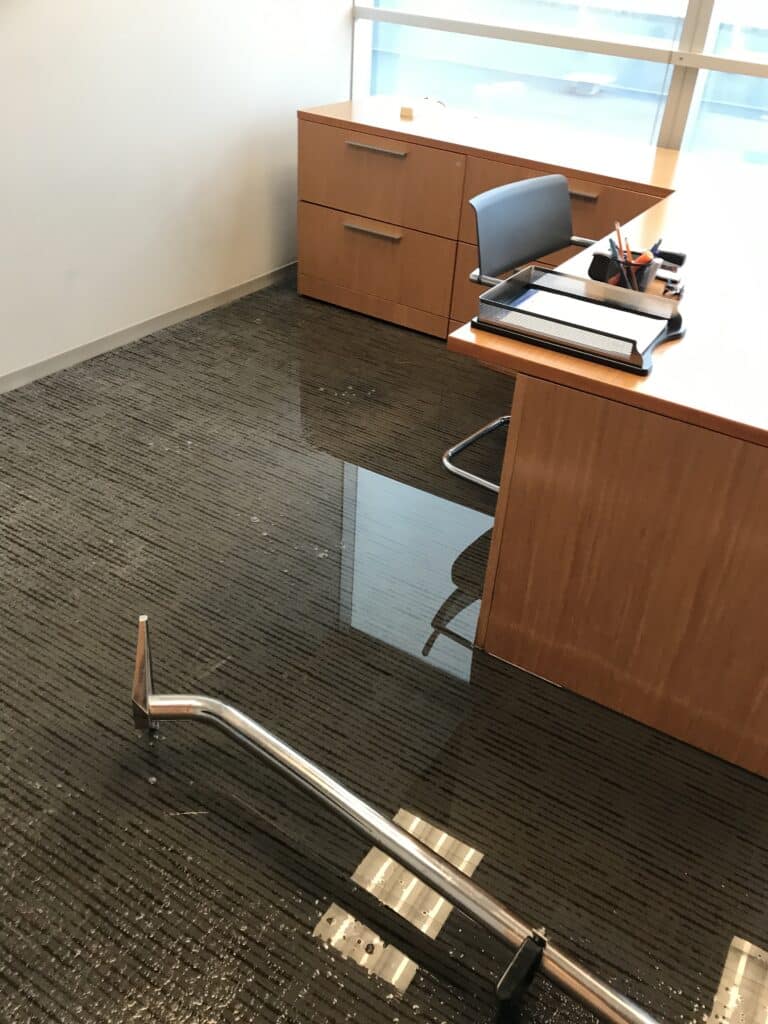
With the assessment complete, extraction begins in earnest. This phase focuses on standing water removal and flood water extraction using submersible pumps and truck-mounted extraction units. The goal is simple: get bulk water out of the structure as quickly as possible, before it has more time to soak into building materials.
Hours 6–24: Drying, Monitoring & Documentation
Once standing water is gone, the focus shifts to what’s left behind. Air movers and dehumidifiers are positioned to begin structural drying, and technicians continue moisture mapping to catch hidden pockets in walls, subfloors, and cabinetry. This is also when your technician documents the damage in detail — photos, moisture readings, and affected materials — which becomes important later if you’re filing an insurance claim.
What Equipment Is Used for Water Extraction?
Professional water extraction services rely on equipment that goes well beyond what’s available at a hardware store, including:
- Submersible pumps for deep standing water
- Truck-mount extraction units for high-volume water removal
- Air movers to accelerate structural drying
- Commercial dehumidifiers to pull moisture from the air and materials
- Moisture meters and thermal imaging cameras to detect hidden dampness
This equipment isn’t just faster — it’s more thorough. It’s built to find and remove moisture that fans and shop vacs simply can’t reach, which is a big part of why DIY attempts so often lead to hidden problems later.
Can You Do Water Extraction Yourself?
For a very small, clean-water spill that’s caught immediately, basic DIY steps like towels, a wet/dry vacuum, and fans can sometimes be enough. But for anything beyond a minor spill, DIY water extraction carries real risk.
Category 2 and 3 water can carry bacteria and contaminants that require protective equipment to handle safely. And even with clean water, homeowners typically don’t have access to the extraction and drying equipment needed to fully remove moisture from subfloors, wall cavities, or insulation — which means the water can look gone while it’s still doing damage out of sight.
If you’re unsure how soon should you call a water damage company, the general rule is: if water has covered more than a small area, or you’re not equipping to remove it within a couple of hours, it’s time to call a professional.
How Much Does Emergency Water Extraction Cost?
Emergency water extraction cost depends on several factors: the size of the affected area, the water category, how long the water sat before extraction began, and which materials were affected. A small, quickly addressed clean-water incident will cost far less than a large-scale flood involving contaminated water and multiple rooms.
Because pricing varies so much by situation, the most accurate way to know what your emergency water extraction will cost is a free, in-person inspection — which also gives you documentation to support an insurance claim if needed.
Need Emergency Water Extraction Right Now?
Is Water Extraction Covered by Insurance?
Whether water extraction is covered by insurance largely comes down to the source of the water. Sudden, accidental events — like a burst pipe or an appliance malfunction — are typically covered under standard homeowners policies. Gradual leaks, neglect, or flooding from an outside water source (like rising floodwater) often require separate flood insurance and may not be covered under a standard policy.
Because coverage details vary by policy and insurer, it’s worth reviewing your policy or asking your adjuster directly. Detailed documentation from your extraction team — the kind gathered during the first 24 hours — can make a real difference in how smoothly your claim goes.
Emergency Water Extraction in Texas: What Homeowners Should Know
Texas homeowners face a unique combination of risks: flash flooding, severe storms, and freeze-related pipe bursts in winter, all layered on top of heat and humidity that make drying out a home slower and more difficult than in drier climates.
That combination is exactly why emergency water extraction in Texas can’t wait. Humidity that’s already high outdoors makes it harder for a home to dry out naturally, which means the drying phase needs to start fast and stay aggressive. If you’re searching for a 24 hour water damage company near me in Houston, Dallas, Austin, San Antonio, or the surrounding communities, our crews are equipped to respond around the clock.
Frequently Asked Questions
What is emergency water extraction?
Emergency water extraction is the fast, professional removal of standing water from a property after a flood, leak, or pipe burst, typically performed within the first few hours to prevent further structural and mold damage.
How quickly do I need to extract water after a flood?
As quickly as possible — ideally within the first few hours. Waiting even 24–48 hours significantly increases the risk of mold growth and permanent damage to flooring, drywall, and other materials.
What happens if water isn't removed within 24 hours?
Moisture spreads further into walls, subfloors, and insulation, drying takes longer, and the risk of mold growth rises sharply. What could have been a simple extraction can turn into a much larger restoration and remediation project.
Can I do water extraction myself?
For very minor, clean-water spills, basic DIY steps may be enough. For anything larger, contaminated, or involving hard-to-reach areas, professional equipment and moisture detection are needed to fully resolve the damage.
Is water extraction covered by insurance?
Often, yes — sudden and accidental water events like burst pipes are typically covered under standard homeowners insurance, while gradual leaks or floodwater may require separate coverage. Check your policy or ask your adjuster for specifics.
The Bottom Line
The first 24 hours after water enters your home set the trajectory for everything that follows — how much gets damaged, how long drying takes, and whether mold becomes part of the story. Fast, professional emergency water extraction is the single best way to keep a bad day from turning into a much bigger, more expensive project.
Full Service Property Restoration offers fast, thorough emergency water extraction and moisture detection across Houston, Dallas, Austin, San Antonio, and the surrounding Texas communities, available 24/7.


