When water damage hits, your first instinct is to clean up fast. However, your insurance claim depends on proof. Knowing how to document water damage for insurance can mean the difference between a smooth approval and a frustrating dispute. After all, adjusters can only pay for what they can see, verify, and understand.
In this checklist, we’ll show you what to photograph, how to build an inventory, and what a professional report adds. At Full Service Property Restoration, we help Dallas–Fort Worth homeowners document losses every day. As a result, this guide reflects what actually works.
Key Takeaways
- Knowing how to document water damage for insurance starts with photos and video taken before any cleanup.
- Adjusters rely on evidence, so weak records often lead to lower payouts or denials.
- A belongings inventory, a timeline of loss, and saved receipts strengthen every claim.
- Hidden moisture needs professional moisture readings and thermal imaging, since photos alone can’t show it.
- Full Service Property Restoration provides detailed documentation alongside restoration across the Dallas–Fort Worth area.
Why Documenting Water Damage for Insurance Matters
Insurance claims run on evidence. Therefore, the more clearly you can show what happened, the easier it is for your insurer to approve it. Strong water damage evidence for an insurance claim helps prove the cause, the scope, and the value of your loss.
On the other hand, weak records create gaps. Adjusters may question when the damage started, or whether it was sudden or gradual. Pre-loss condition photos, date-stamped images, and a clear timeline of loss all help close those gaps. Ultimately, good documentation is how you prove water damage to your insurance company.
Before You Start: Safety First, Then Don't Clean Up Yet
Safety always comes first. Turn off the water source if you can, and stay away from electrical hazards and standing water near outlets. Once the area is safe, pause before cleaning.
Many homeowners ask, “Should I take photos before cleaning up water damage?” Yes, always. Photograph first, then clean. Also, keep damaged items until your adjuster has seen them, or photograph them thoroughly before discarding anything. For more on avoiding costly missteps, read What NOT to Do After Experiencing Water Damage. Meanwhile, emergency mitigation can still begin right away, and it’s often required by your policy.
Need Help Documenting Your Water Damage?
Water Damage Documentation Checklist: Step-by-Step
Next, follow these five steps. Together, they give your adjuster a complete picture of the loss.
Step 1: Take Date-Stamped Photos of Every Affected Area
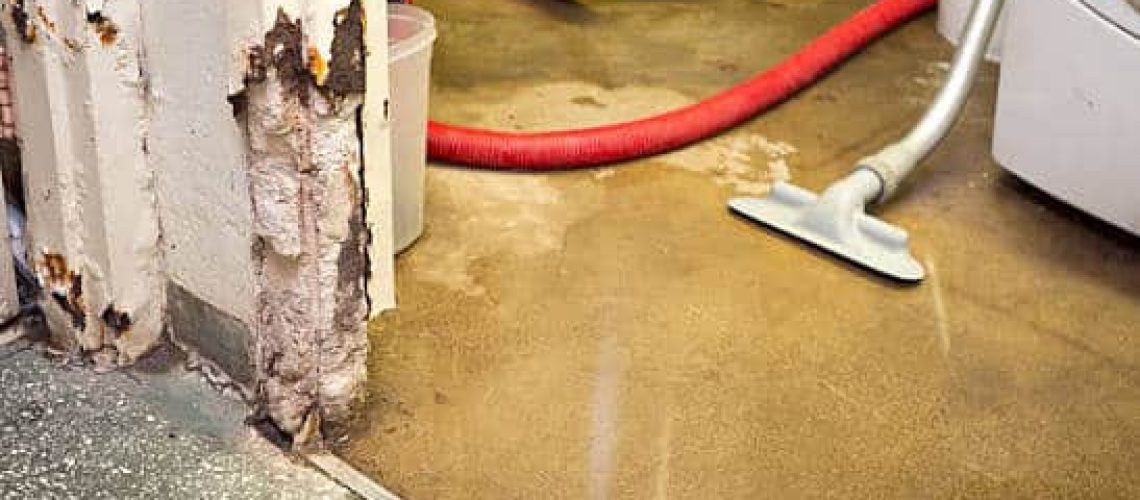
First, learn how to take photos of water damage for insurance the right way. Start with wide shots of each room. Then, move in for close-ups of damaged walls, floors, ceilings, and furniture. Also, photograph water lines, stains, and the source of the leak. Make sure every photo is date-stamped. If you’re wondering what to photograph after water damage, more is always better.
Step 2: Record a Walkthrough Video
Next, record a slow, narrated video of each room. Describe what you see as you go. A video shows scope and context that still photos can miss. Plus, it helps your adjuster understand how the damage connects from room to room.
Step 3: Build a Damaged Belongings Inventory
Then, create a water damage inventory list for insurance. List each damaged item with a short description, its age, and its approximate value. Add receipts, model numbers, or serial numbers when you have them. This is also how to document damaged belongings for insurance without missing anything. Take a photo of each item next to its entry.
Step 4: Write a Timeline of Loss
After that, write down what happened and when. Note when the damage started, when you noticed it, who you called, and what steps you took. Be specific, but keep it factual. A clear timeline of loss helps your adjuster see that you acted quickly and in good faith.
Step 5: Keep Receipts and Mitigation Records
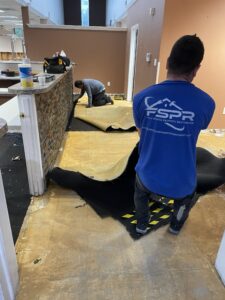
Finally, save every receipt tied to the loss. That includes emergency repairs, supplies, and temporary housing. Keep all mitigation records too, such as service invoices and drying logs. For example, our team documents each stage of emergency water extraction, which gives you ready-made proof of your mitigation efforts.
Let Us Build the Evidence While You Handle the Claim
How to Document Hidden Water Damage for Insurance
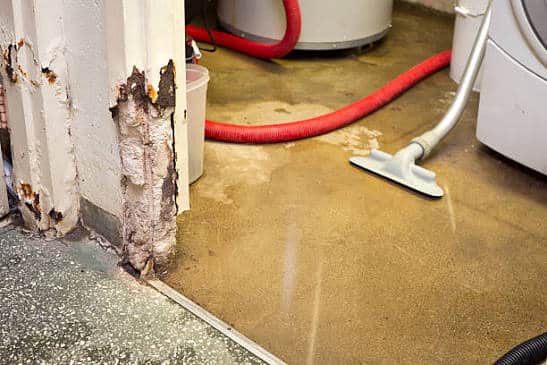
Not all water damage is visible. In fact, moisture often hides inside walls, under flooring, and above ceilings. So, photos alone won’t capture it. Learning how to document hidden water damage for insurance means using the right tools.
That’s where professional moisture readings come in. Our technicians use moisture meters, moisture mapping, and thermal imaging to locate and record water you can’t see. These readings become part of your damage assessment, and they back up your claim with measurable data. Learn more about our water damage restoration services, which include full moisture detection and documentation.
Do You Need a Professional Report for a Water Damage Claim?
Not always. For a small, obvious leak, your own photos and notes may be enough. However, a professional damage assessment report adds real value for larger losses, hidden moisture, or disputed claims.
A report from a restoration company gives your adjuster neutral, technical detail. It can include moisture readings, affected materials, and the scope of work needed. As a result, it often shortens back-and-forth during the adjuster inspection. If you’re searching for a water damage inspection report near me, our team can provide one during a free inspection.
Once your evidence is ready, you’re set for the next stage. Our guide on how to file a water damage insurance claim walks you through the adjuster visit, proof of loss, and approval steps.
Documenting Water Damage for Insurance in Texas
Texas homeowners face unique risks. Freeze-related pipe bursts, severe storms, and flash flooding are all common across Dallas, Fort Worth, Arlington, and Plano. Because of this, documentation matters even more here.
For example, flood damage from a storm is often treated differently than a sudden pipe break. Clear records help show exactly how the damage happened. Full Service Property Restoration serves homeowners across the Dallas–Fort Worth area with 24/7 emergency response, so you’re never documenting alone.
Frequently Asked Questions
How do you document water damage for insurance?
Take date-stamped photos and a walkthrough video of every affected area before cleanup. Then, list damaged belongings with values, write a timeline of the loss, and save all receipts. Finally, add professional moisture readings for hidden damage. Strong records help adjusters verify your claim quickly.
What photos do I need for a water damage claim?
Take wide shots of each room, close-ups of damaged walls, floors, ceilings, and belongings, and photos of water lines and the leak source. Include date stamps. Also photograph serial numbers on damaged appliances and electronics. More angles give the adjuster a clearer picture of the loss.
Should I record video of water damage for insurance?
Yes. A narrated room-by-room video shows the scope, location, and severity of damage that photos can miss. Describe what you see as you walk through. Keep the original file, and back it up, so you can share it with your adjuster.
What happens if I don't document water damage?
Without evidence, adjusters may undervalue your claim or deny parts of it. Missing records also make it harder to prove when the damage started and what it affected. Documenting early protects your payout and speeds up the review.
How long should I keep water damage records?
Keep them at least until your claim is fully settled and all repairs are complete. Many homeowners keep records longer, in case questions come up later. Store photos, videos, inventories, and receipts in more than one place, such as cloud storage and a folder.
Let Us Help You Document Your Loss the Right Way
Knowing how to document water damage for insurance protects your claim from day one. Strong photos, a clear inventory, and professional moisture readings make every step easier. Full Service Property Restoration is ready to help with fast mitigation, thorough documentation, and full restoration. Contact us today, and let’s get your home and your claim back on track.